The Best 5 1990s Basketball Insert Sets To Collect Right Now
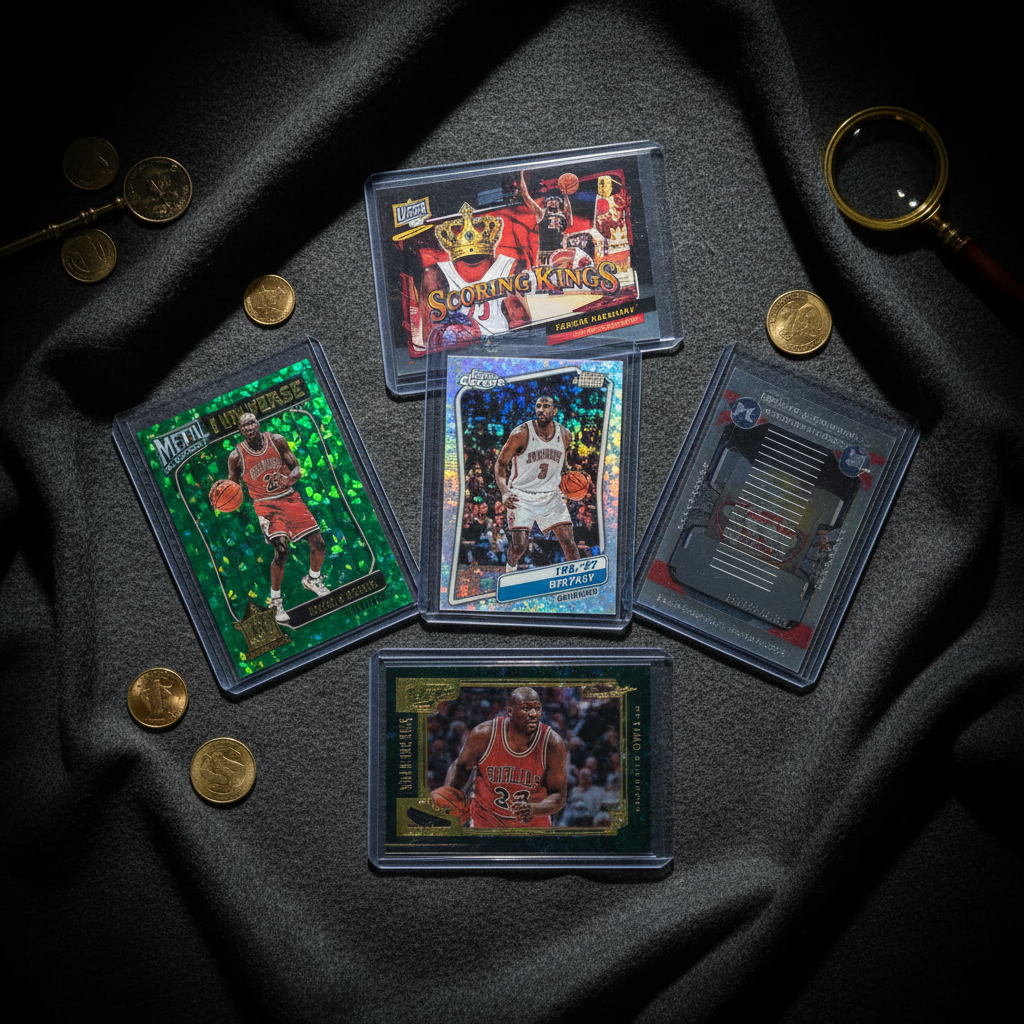
The 1990s marked the zenith of basketball card creativity, a period defined by wild designs, nascent rarity, and the ascent of Michael Jordan into global iconography. This guide provides a definitive ranking of the top 5 insert sets from that audacious era for today's serious collector. We cut through the noise of countless die-cuts and refractors to identify the specific cards that offer the best blend of iconic status, proven scarcity, and long-term value retention. Our methodology prioritized sets with established collector demand, verifiable scarcity through PSA population data, and a player checklist anchored by legends. The key takeaway is simple: not all shiny cards from the 90s are created equal. The iconic sets like Jambalaya and Precious Metal Gems have separated from the pack due to their profound difficulty to grade and intense visual appeal, making them bona fide blue-chip assets in the sports card market. This is your blueprint for acquiring the true pillars of the 1990s collecting world.
How We Picked
- Design & Aesthetics
- Scarcity & Print Run
- Player Checklist
- Graded Population (PSA)
- Investment Stability
At a Glance
| Rank | Pick | Best For | Price Range |
|---|---|---|---|
| 1 | 1997-98 SkyBox E-X2001 Jambalaya #6 Michael Jordan | The investor-collector looking for a blue-chip asset to anchor a high-end portfolio. | $3,500-$6,000 raw; $20,000-$35,000+ PSA 10 |
| 2 | 1996-97 Topps Chrome Refractors #138 Kobe Bryant | The collector who wants a foundational, highly-liquid rookie card of an all-time great. | $3,000-$5,500 raw; $18,000-$28,000 PSA 10 |
| 3 | 1997-98 Metal Universe Precious Metal Gems (PMG) #23 Michael Jordan | The advanced collector focused on ultimate rarity and historical significance. | $15,000+ (for any grade); $100,000+ for top grades |
| 4 | 1993-94 Fleer Ultra Scoring Kings #5 Michael Jordan | The collector who wants a top-5 all-time Jordan insert without needing a second mortgage. | $500-$900 raw; $4,000-$6,500 PSA 10 |
| 5 | 1998-99 Fleer Tradition Playmakers Theatre #1 Michael Jordan | The scarcity-driven collector who prizes rarity above all else. | $8,000-$12,000 raw; $60,000-$90,000+ PSA 10 |
1. 1997-98 SkyBox E-X2001 Jambalaya #6 Michael Jordan
The undisputed king of 1990s inserts.
With its carnival-inspired font and distinctive oval die-cut, the Jambalaya is arguably the most recognizable insert of the decade. The Michael Jordan card is the set's crown jewel, and its notoriously difficult-to-grade edges (PSA 10 Pop is just 29 as of late 2023) create a supply chokehold that perennially props up demand. It transcends the hobby, appealing to art collectors as much as sports fans.
Best for: The investor-collector looking for a blue-chip asset to anchor a high-end portfolio.
Price range: $3,500-$6,000 raw; $20,000-$35,000+ PSA 10
Pros
- Peak 90s design
- Extremely condition sensitive, leading to a low gem-rate
- Universally recognized as a 'grail' card
Cons
- High cost of entry, even for raw copies
- Prone to chipping and surface scratches
2. 1996-97 Topps Chrome Refractors #138 Kobe Bryant
The most important rookie card of a generation.
This is the card that defined the rookie chase for a decade. As the refractor version of Kobe Bryant's key Topps Chrome rookie, it combines the prestige of the player with the shine that set the standard for premium card technology. While the PSA 10 population (774) is higher than others on this list, its unparalleled global demand and liquidity make it one of the most stable assets in the hobby. It's often the first 'big' card a serious collector buys for good reason.
Best for: The collector who wants a foundational, highly-liquid rookie card of an all-time great.
Price range: $3,000-$5,500 raw; $18,000-$28,000 PSA 10
Pros
- Kobe Bryant's key rookie card
- Highly liquid and recognized globally
- The 'Refractor' brand carries immense weight
Cons
- High population in PSA 10 compared to other elite 90s inserts
- Susceptible to 'greening' or hull discoloration
3. 1997-98 Metal Universe Precious Metal Gems (PMG) #23 Michael Jordan
The birth of the modern, serial-numbered ultra-rare.
PMG's changed the game. As one of the first truly serial-numbered, ultra-premium sets, they created a new blueprint for rarity. The set features 100 cards, with the first 10 serially numbered in green foil ('PMG Green') and the remaining 90 in red foil ('PMG Red'). The Michael Jordan Red, numbered to 100, is a landmark card. Its foiled, easily-chipped surface makes high grades nearly impossible (the PSA 10 pop is a mere 2), ensuring its status as a top-tier collectible. It is a piece of hobby history.
Best for: The advanced collector focused on ultimate rarity and historical significance.
Price range: $15,000+ (for any grade); $100,000+ for top grades
Pros
- Landmark serial-numbered parallel
- Intense, unforgettable design
- Extremely low population of high-grade examples
Cons
- Even low-grade copies are prohibitively expensive
- The foil surface is notoriously fragile
4. 1993-94 Fleer Ultra Scoring Kings #5 Michael Jordan
The best 'bang for your buck' Jordan insert.
For those priced out of a Jambalaya or PMG, the Scoring Kings offers entry into elite 90s Jordan inserts without a six-figure price tag. Its iconic design, featuring a psychedelic lightning storm behind an airborne Jordan, is pure 90s maximalism. With a PSA 10 population of 411, it's more accessible than the top-tier grails but still boasts a low enough gem rate to hold its value. It represents the sweet spot of affordability, iconic design, and Jordan-fueled demand.
Best for: The collector who wants a top-5 all-time Jordan insert without needing a second mortgage.
Price range: $500-$900 raw; $4,000-$6,500 PSA 10
Pros
- Iconic, beloved design
- Relatively affordable entry point for a top-tier 90s Jordan insert
- Strong, consistent collector demand
Cons
- Higher population count than true 'grail' inserts
- Holofoil can be prone to scratching
5. 1998-99 Fleer Tradition Playmakers Theatre #1 Michael Jordan
The definition of a 'phantom' insert.
This set is a lesson in scarcity. Inserted at a brutal 1:360 packs, the Playmakers Theatre set is one of the toughest pulls of the entire decade. The design, featuring a spotlighted player on an embossed, stage-like background, is unique and sophisticated. The Jordan is the chase, and with a PSA 10 population of just 14, it is a true 'ghost' in the market. Its rarity is not just manufactured; it's a genuine reflection of how few of these were ever pulled, let alone survived in mint condition.
Best for: The scarcity-driven collector who prizes rarity above all else.
Price range: $8,000-$12,000 raw; $60,000-$90,000+ PSA 10
Pros
- Astonishingly rare (1:360 packs)
- Unique, embossed design stands out from foils and refractors
- Considered a 'holy grail' by hardcore Jordan collectors
Cons
- Extremely difficult to find for sale in any condition
- High price even for ungraded examples due to rarity
How to Buy
Acquiring high-end 1990s inserts requires a specific strategy. The market is mature, and fakes and altered cards are a persistent threat. Always buy graded, when possible. For cards of this caliber, the cost of a PSA, BGS, or SGC holder is a small price to pay for certified authenticity and condition. For raw cards, especially from top-tier sellers on platforms like eBay, scrutinize seller feedback and use high-resolution photos. Look for tell-tale signs of trimming (unnaturally smooth or wavy edges) and surface issues like hairline scratches on the holofoil or refractor finishes. Use a tool like a loupe to inspect corners and edges closely if buying in person.
Understanding Grading Economics: For many of these cards, buying a raw copy and grading it yourself is a losing proposition. For example, the die-cut edges of the Jambalaya make it notoriously hard to get a PSA 10. The money 'saved' on a raw copy is often lost when it comes back a PSA 8. It's often smarter to pay the premium for an existing PSA 9 or 10. The exception is if you can acquire a raw card at a significant discount and have a realistic expectation of its potential grade. A PSA 9 is not a failure; for many of these cards, it's a fantastic grade that will hold its value.
Where to Buy: eBay remains the primary marketplace due to its volume and buyer protection. Major auction houses like Goldin and PWCC are the best source for record-setting, top-grade examples. Online forums like Blowout Cards and Collector's Universe can be good for connecting with other serious collectors for private deals, but exercise extreme caution. Common pitfalls include overpaying for raw cards with hidden flaws, not understanding population reports (a low pop isn't always good if there's no demand), and getting caught up in auction fever. Set your maximum price before you start bidding and stick to it.
Frequently Asked Questions
Are 1990s inserts a good investment?
Yes, but selectively. Blue-chip inserts featuring Hall of Fame players like Michael Jordan and Kobe Bryant from iconic, condition-sensitive sets have proven to be excellent long-term stores of value. Lesser-known players and mass-produced sets have not performed as well.
What's more important: rarity or player?
It's a balance. The ideal card has both: a legendary player on a rare card. A Michael Jordan from a set with a 100,000 print run will be less valuable than a B-list player's card from a set with a print run of 100. The picks in this guide represent the best synthesis of both factors.
Should I get my 90s cards graded by PSA?
For high-value cards from this era, PSA is generally considered the industry standard and commands the highest resale value for gem mint (10) grades. BGS (Beckett) is a strong alternative, especially for cards that may not gem but could receive a 9.5. For any card over $500, professional grading is highly recommended to maximize value and liquidity.
What is 'greening' on a Topps Chrome card?
Greening is a common issue with early Topps Chrome cards, including the 1996-97 set. It refers to a gradual, greenish discoloration of the card's border, believed to be a chemical reaction involving the card stock and foil layer. While common, severe greening can negatively impact a card's eye appeal and value.